Android Apps for Expense Tracking: How to Manage Your Budget Directly from Your Smartphone
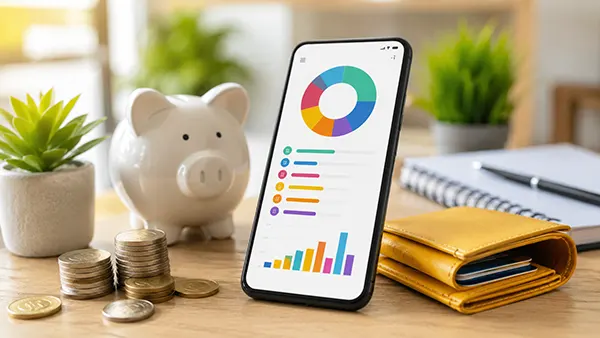
Managing personal finances has changed significantly over the past few years. In 2026, smartphones are no longer used only for communication, shopping or entertainment. Many people now rely on mobile applications to monitor spending, analyse subscriptions, control debt and build monthly savings plans without using spreadsheets or notebooks. Android budget tracking apps have become more advanced, offering automatic categorisation, AI-assisted financial insights, bank synchronisation and real-time notifications. For users who want better control over daily expenses without hiring a financial adviser, these tools provide a practical and accessible solution directly from a mobile device.
Why Android Budgeting Applications Became Essential in 2026
Rising living costs across Europe and other regions have pushed more people to review how they spend money. Food prices, subscription services, transport expenses and digital purchases often create unnoticed monthly costs. Android budgeting applications help users visualise where money goes every week instead of waiting for bank statements at the end of the month. Real-time tracking allows quicker financial decisions and helps prevent unnecessary spending.
Modern expense tracking apps are no longer limited to manual entry. Many popular applications such as Wallet by BudgetBakers, Money Manager, Spendee and YNAB now support automatic transaction imports from banks and e-wallets. Users can connect debit cards, credit cards and online banking accounts securely through encrypted APIs. This reduces errors caused by manual input and saves time for people with busy schedules.
Another reason for the popularity of budgeting apps is the increased interest in financial literacy. Younger users, freelancers and remote workers often need clearer visibility over irregular income streams. Android finance apps provide dashboards with charts, category breakdowns and monthly comparisons that make financial information easier to understand without accounting knowledge.
Main Features Users Should Look for in a Budget Tracking App
One of the most important features is automatic expense categorisation. Quality applications can separate transactions into groceries, bills, entertainment, travel or healthcare without constant user correction. This gives a clearer picture of spending habits and allows users to identify categories where costs are increasing too quickly.
Security remains another critical factor in 2026. Reliable budgeting apps use biometric authentication, cloud encryption and two-factor verification to protect sensitive financial data. Applications that comply with GDPR standards and banking security regulations are generally considered safer for long-term use. Users should also review privacy policies before linking financial accounts.
Cross-device synchronisation is equally valuable. Many people switch between smartphones, tablets and desktop devices during the day. Modern Android budgeting apps synchronise data automatically through cloud storage, ensuring that financial records remain updated in real time. This becomes especially useful for couples or families managing shared household expenses together.
How Expense Tracking Apps Help Improve Financial Habits
One of the biggest advantages of mobile budgeting applications is behavioural awareness. Many users underestimate how much they spend on coffee, food delivery or streaming subscriptions. Seeing these expenses collected inside one dashboard often changes spending behaviour naturally without strict financial restrictions.
Several Android applications introduced AI-driven spending analysis in 2025 and 2026. These systems detect unusual spending patterns and send recommendations directly to users. For example, if restaurant expenses increase sharply compared to previous months, the application may suggest adjusting the dining budget or setting a spending limit for the following weeks.
Goal-based saving tools also became more sophisticated. Users can create savings targets for holidays, emergency funds, electronics or housing deposits. Some applications automatically transfer small amounts into savings categories after each transaction. This approach helps users build financial discipline gradually instead of relying entirely on manual budgeting.
Common Mistakes People Make When Using Budget Apps
One frequent problem is abandoning the application after only a few days. Many users expect instant financial improvement without building consistent habits. Expense tracking works best when applications are checked regularly, especially during the first months of use. Daily or weekly reviews usually produce more accurate long-term results.
Another mistake is creating too many spending categories. Overcomplicated budgets often become difficult to maintain and lead to confusion rather than clarity. Financial experts generally recommend focusing on essential categories such as housing, groceries, transport, savings, entertainment and healthcare instead of tracking every minor purchase separately.
Ignoring subscription management is also common. In 2026, many people pay for multiple digital services simultaneously, including streaming, cloud storage, fitness apps and AI tools. Modern Android budgeting apps can detect recurring payments automatically, helping users identify subscriptions they no longer actively use.
The Future of Android Personal Finance Applications
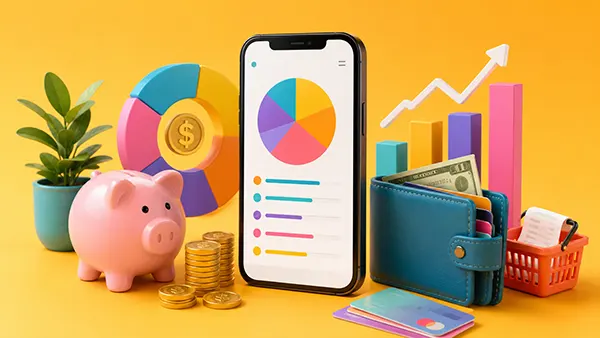
The development of AI and open banking technology continues to transform mobile finance management. New Android applications are increasingly capable of forecasting monthly cash flow based on previous spending behaviour. Instead of only recording transactions, apps now provide predictive financial guidance that helps users avoid overdrafts or missed payments.
Voice-controlled finance management is also becoming more common. Some Android budgeting tools already support integration with Google Assistant, allowing users to record expenses or check remaining monthly budgets through voice commands. This improves accessibility and makes financial tracking faster during daily routines.
Another growing trend is financial ecosystem integration. Budget tracking applications now connect with investment services, cryptocurrency wallets, digital receipts and tax preparation tools. Users can monitor broader financial activity from a single mobile interface instead of switching between multiple applications.
Choosing the Right Android App for Different Financial Needs
Users with simple budgeting goals may prefer lightweight applications focused mainly on manual expense tracking and visual reports. Apps like Money Manager remain popular because they provide quick access to transaction records without overwhelming interfaces or advanced banking integrations.
Freelancers and self-employed professionals often require more advanced tools. Applications such as Wallet or YNAB offer features for irregular income management, invoice monitoring and shared budgeting. These options are useful for people who need deeper control over cash flow throughout the month.
Families and couples usually benefit from shared accounts and synchronised household budgets. Many modern Android finance applications allow multiple users to contribute to one budget while keeping personal transactions private when necessary. This improves transparency for joint expenses such as rent, groceries and utilities while reducing misunderstandings about household finances.